
Topic: CDM
When does CDM apply?
CDM 2015 applies far more widely than many people realise. It is not limited to major construction sites or projects that need an F10 notification. If work falls within the legal definition of construction work, CDM duties can apply to projects of any size.
- Published
- 7 min read
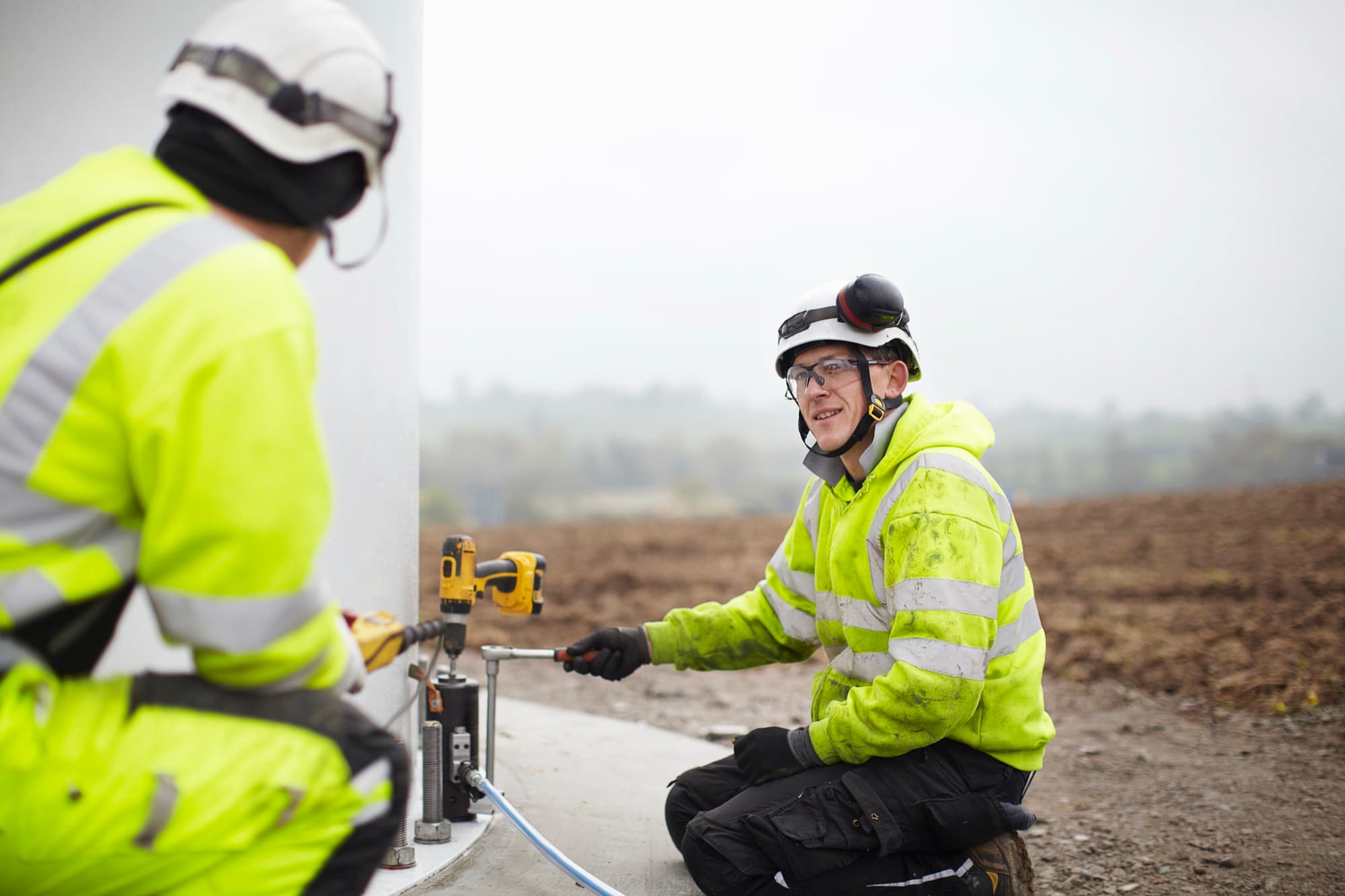
CDM 2015 applies to construction projects where construction work is carried out. In practice, that means the first question is not “how big is the project?” but “does the planned work fall within the definition of construction work?”
The regulations cover the whole construction process, from early design and planning through to the construction phase and completion. A small project can therefore fall within CDM even if it lasts only a short time, uses a single contractor or is never notified to the Health and Safety Executive (HSE).
For most organisations, the safest starting point is simple: if you are commissioning building, civil engineering or engineering construction work, assume CDM needs to be considered and then check the specific scope and duties that apply.
What counts as construction work under CDM 2015?
The legal definition is deliberately broad. It includes traditional construction activities such as building, alteration, conversion, fitting out, renovation, repair, demolition and dismantling. It also extends to preparation and clearance work connected with a structure.
Importantly, the definition also includes the installation, commissioning, maintenance, repair or removal of services that are normally fixed within or to a structure. This can include mechanical, electrical, gas, compressed air, hydraulic, telecommunications and computer services. Read Regulation 2 on legislation.gov.uk: definition of construction work (opens in a new tab)
That is why CDM can apply in environments that do not look like a conventional construction site. Office fit-outs, plant replacements, fixed electrical work, telecoms installations, refurbishment projects and certain maintenance activities can all fall within scope.
Does CDM apply to small projects?
Yes. There is no general “small project” exemption from CDM 2015. The size, value or duration of the work does not by itself decide whether the regulations apply.
A short refurbishment, minor repair or single-contractor job may still be a CDM project if it involves construction work. The management arrangements should be proportionate to the scale, complexity and risk of the work, but the project does not fall outside CDM simply because it is small. HSE guidance for clients: Need building work done? A short guide for clients (INDG411), PDF (opens in a new tab)
This distinction matters because organisations sometimes confuse the thresholds for notifying HSE with the point at which CDM begins to apply. They are not the same thing.
Does CDM apply if there is only one contractor?
Yes. CDM can apply to a project with only one contractor.
On a single-contractor project, the contractor has duties to plan, manage and monitor the construction work under their control. The client also has duties, including making suitable arrangements for managing the project and ensuring a construction phase plan is prepared before the construction phase begins. HSE guidance: commercial clients, roles and responsibilities (opens in a new tab)
The requirement to appoint a principal designer and principal contractor is triggered where more than one contractor is involved, or it is reasonably foreseeable that more than one contractor will be involved. That does not mean single-contractor projects sit outside CDM.
Does CDM apply to maintenance work?
CDM can apply to maintenance work, but not every activity described as “maintenance” will automatically be construction work.
The regulations include repair, upkeep, redecoration and other maintenance within the definition of construction work where the activity relates to a structure. They also specifically include maintenance and repair of services that are normally fixed within or to a structure.
However, HSE guidance makes clear that CDM does not apply to every maintenance task. The actual activity needs to be considered against the legal definition rather than relying on the label used by the organisation or contractor. HSE CDM FAQ: frequently asked questions on maintenance work (opens in a new tab)
For example, replacing fixed building services or carrying out structural repair is very different from routine operational activity that does not amount to construction work.
Does CDM apply to domestic projects?
Yes. CDM 2015 can apply to construction work carried out for a domestic client, such as work on someone’s own home that is not connected with a business.
The difference is how the client duties are handled. On a domestic project with one contractor, the client duties normally pass to that contractor. Where the project involves more than one contractor, the duties normally pass to the principal contractor.
A domestic client can instead agree in writing for the principal designer to carry out the client duties. This transfer of duties is one reason domestic projects need to be handled carefully: the regulations still apply, but responsibility is structured differently from a commercial project. HSE L153 domestic client guidance: PDF (opens in a new tab)
When does CDM not apply?
CDM does not apply simply because an activity takes place in or around a building. The work has to fall within the statutory definition of construction work.
Examples of activities that may fall outside that definition include work that is purely operational and has no construction element. The regulations also expressly exclude some activities from the definition, including a site survey in the context of preparatory work and the exploration for or extraction of mineral resources.
Ordinary cleaning is not automatically construction work either. The definition specifically captures cleaning that involves high-pressure water or abrasives, or corrosive or toxic substances, as part of construction work. Whether another activity is in scope should always be assessed on what is actually being done rather than its job title.
Where the boundary is unclear, review the planned activity against Regulation 2 and obtain competent advice rather than relying on project value, duration or the contractor’s description of the task. Read Regulation 2 on legislation.gov.uk: definition of construction work (opens in a new tab)
Does every CDM project need an F10 notification?
No. A project can be fully subject to CDM 2015 without being notifiable to HSE.
A construction project is notifiable where the construction work is expected to last longer than 30 working days and have more than 20 workers working at the same time at any point, or where the work is expected to exceed 500 person-days.
Those thresholds determine whether an F10 notification is required. They do not determine whether CDM applies. HSE CDM FAQ: frequently asked questions on notification (opens in a new tab)
This is one of the most common misunderstandings around the regulations: “not notifiable” does not mean “not CDM”.
A quick CDM applicability check
When deciding whether CDM applies, work through these questions:
- Is building, civil engineering or engineering construction work being carried out?
- Does the work involve alteration, fitting out, renovation, repair, upkeep, redecoration, demolition or dismantling?
- Does it involve installing, commissioning, maintaining, repairing or removing fixed services?
- Is the activity genuinely outside the legal definition of construction work, rather than simply small or short in duration?
- Will there be one contractor or more than one contractor? This changes the dutyholder appointments required, not whether CDM applies.
- Does the project meet the separate F10 notification thresholds?
If the answer to the first three questions is yes, CDM is likely to be relevant and the project should be managed accordingly. If the scope is uncertain, the activity should be checked against the wording of the regulations before work starts.
What should you do if CDM applies?
Once you have established that the work is within scope, identify who the client, designers and contractors are and whether the project will involve more than one contractor.
Where more than one contractor is involved, or is reasonably foreseeable, the client must appoint a principal designer and principal contractor in writing. Management arrangements, pre-construction information, cooperation and coordination should then be proportionate to the project and its risks.
A construction phase plan is required before the construction phase begins. The level of detail should reflect the nature of the project rather than becoming paperwork for its own sake.
For organisations that commission work repeatedly, having a consistent method for checking CDM applicability at the start of a job can prevent dutyholder appointments and key information requirements being missed.
Frequently asked questions
Do CDM Regulations apply to all construction projects?
CDM 2015 applies to construction projects where construction work is carried out. There is no general exemption based on project value, duration or size.
Does CDM apply to maintenance?
It can. Repair, upkeep and other maintenance can fall within the definition of construction work, including maintenance of services normally fixed within or to a structure. HSE also makes clear that not every maintenance activity is construction work, so the actual task needs to be assessed.
Does CDM apply to a one-day job?
Potentially, yes. Duration alone does not remove a project from CDM. If the activity is construction work, CDM duties can still apply even where the work is brief.
Does CDM apply if there is only one contractor?
Yes. Single-contractor projects can still be subject to CDM. The principal designer and principal contractor appointment requirements arise where more than one contractor is involved or reasonably foreseeable.
Does CDM apply to domestic properties?
Yes, where construction work is being carried out. Most domestic-client duties are transferred to other dutyholders, so responsibility operates differently from a commercial project.
When is a CDM project notifiable?
A project is notifiable if it is expected to last longer than 30 working days with more than 20 workers working simultaneously at any point, or exceed 500 person-days. Notification is separate from whether CDM applies.
Need CDM training?
Learn the core requirements, then follow a pathway based on your responsibilities.
Explore CDM training