
Topic: CDM
CDM contractor duties explained
Contractors have direct legal duties under the Construction (Design and Management) Regulations 2015 (CDM 2015). Those duties apply to organisations and individuals who carry out, manage or control construction work, including subcontractors, sole traders and self-employed workers.
- Published
- 11 min read
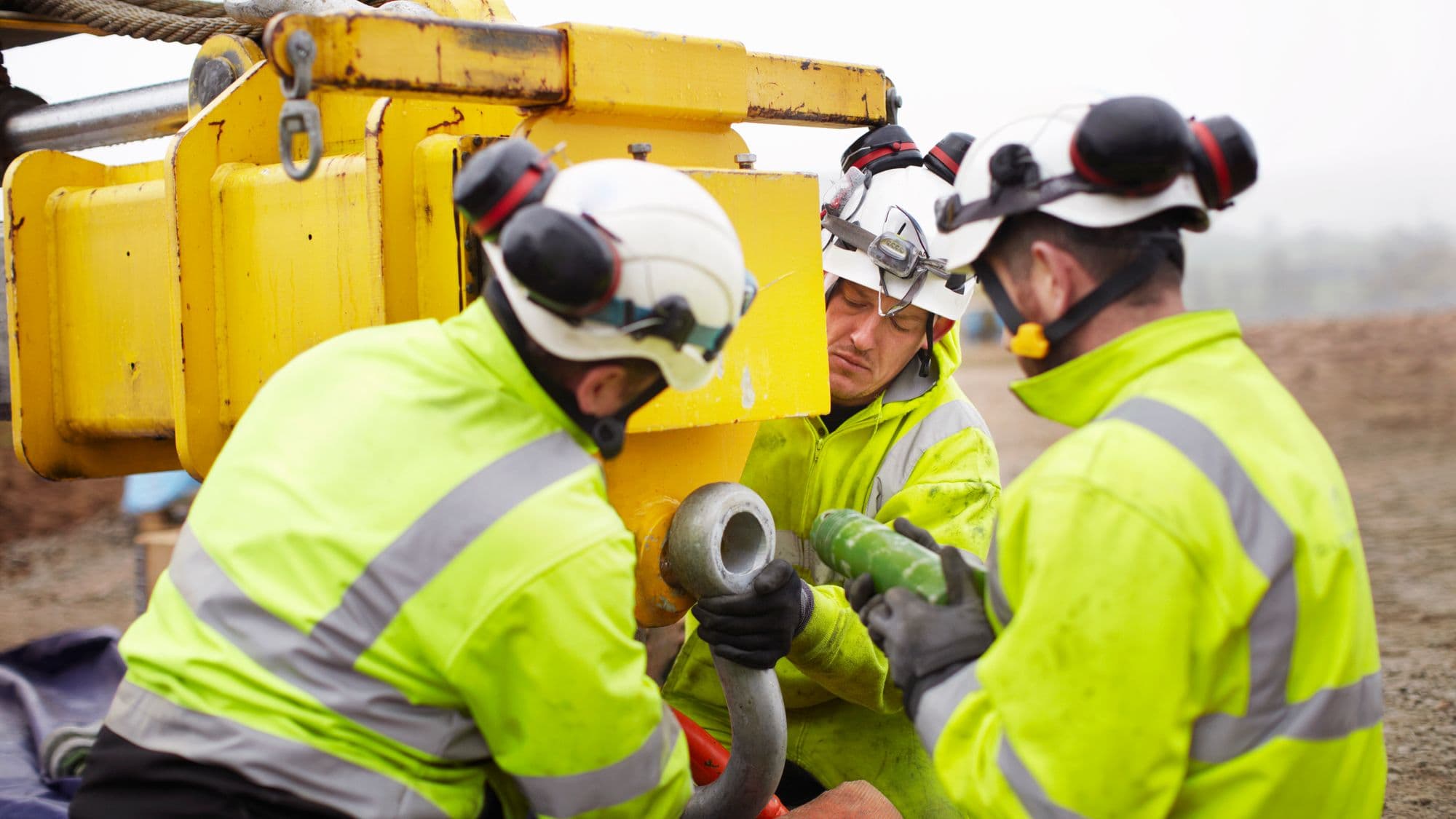
The core requirement is straightforward: contractors must plan, manage and monitor the construction work under their control so that, so far as is reasonably practicable, it is carried out without risks to health and safety. The exact arrangements should be proportionate to the work, the people involved and the risks that may affect workers, clients, occupants, visitors or members of the public. HSE guidance: contractors, roles and responsibilities (opens in a new tab)
Who is a contractor under CDM 2015?
HSE describes a contractor as anyone who directly employs or engages construction workers, or who as part of a business carries out, manages or controls construction work. The definition includes companies, subcontractors, sole traders and self-employed workers. HSE guidance: are you a contractor? (opens in a new tab)
Examples can include:
- building contractors and specialist subcontractors
- electricians, plumbers, roofers and other trades
- groundworkers, scaffolders and demolition contractors
- maintenance and facilities contractors carrying out construction work
- self-employed people who carry out or control construction work
- businesses that both design and install their own specialist systems or components
A contractor does not need to be the main contractor on a project. If an organisation carries out construction work or controls workers carrying out that work, it may have contractor duties even when another organisation is acting as Principal Contractor.
When do contractor duties apply?
Contractor duties apply on construction projects of all sizes, including small works, repair, maintenance and domestic projects. They are not limited to notifiable projects and do not depend on the value or duration of the work. HSE guidance: contractors, roles and responsibilities (opens in a new tab)
The duties apply to the construction work the contractor controls. On a project involving more than one contractor, the contractor works within the wider arrangements managed by the Principal Contractor. On a single-contractor project, the contractor has additional responsibilities because there is no Principal Contractor.
What are the main CDM duties of a contractor?
Regulation 15 sets out the specific duties of contractors, supported by the general duties elsewhere in CDM 2015. In practical terms, contractors need to: Read Regulation 15 on legislation.gov.uk: duties of contractors (opens in a new tab)
- make sure the client is aware of their CDM duties before construction work starts
- plan, manage and monitor the construction work under their control
- protect workers and other people who may be affected by the work
- make sure the people they employ or appoint have suitable skills, knowledge, training and experience, or are being appropriately trained and supervised
- provide suitable site-specific induction where this has not already been provided by the Principal Contractor
- provide appropriate supervision, information and instructions
- make sure reasonable steps have been taken to prevent unauthorised access before work starts
- make sure suitable welfare facilities are available for workers under their control
- cooperate and coordinate with other duty holders where more than one contractor is involved
- comply with relevant directions from the Principal Designer or Principal Contractor and with the relevant parts of the construction phase plan
- prepare, or arrange for, a construction phase plan where they are the only contractor on the project
Make sure the client is aware of their CDM duties
A contractor must not carry out construction work unless they are satisfied that the client is aware of the duties the client owes under CDM 2015. This does not make the contractor responsible for carrying out a commercial client’s duties, but it does mean the contractor should not simply proceed where the client appears unaware of the CDM arrangements needed for the project. Read Regulation 15 on legislation.gov.uk: duties of contractors (opens in a new tab)
On small projects this may be dealt with through straightforward communication before work starts. The response should be proportionate to the job rather than turned into unnecessary paperwork.
Plan, manage and monitor the work under your control
The contractor’s central duty is to plan, manage and monitor the construction work they carry out or control. That means deciding how the work will be organised, understanding the hazards, selecting suitable controls, making sure those controls are actually used and adjusting the arrangements when circumstances change. Read Regulation 15 on legislation.gov.uk: duties of contractors (opens in a new tab)
Planning should take account of people beyond the contractor’s own workforce. Members of the public, building occupants, other contractors and anyone affected by the activity may also need to be protected.
Monitoring is an ongoing activity. A safe method agreed at the start of a job may no longer be suitable if the sequence changes, new contractors arrive, access conditions alter or unexpected site information is discovered.
Use people with the right skills, knowledge, training and experience
Contractors need to make sure the people they employ or appoint are capable of carrying out their work safely. HSE describes this in terms of skills, knowledge, training and experience, with the level required proportionate to the complexity and risks of the work. HSE guidance: are you a contractor? (opens in a new tab)
Where someone is still developing the necessary capability, suitable training and supervision may allow them to work safely while they gain experience. The important point is that the contractor understands what the work requires and matches people, training and supervision to the risks.
For organisations, competence also depends on having suitable arrangements, resources and management capability rather than relying only on individual qualifications.
Provide suitable induction, supervision, information and instruction
Workers under a contractor’s control need enough information and supervision to understand the work, the significant risks and the controls they are expected to use. HSE expects contractors to provide a suitable site-specific induction unless this has already been provided by the Principal Contractor. HSE guidance: contractors, roles and responsibilities (opens in a new tab)
Induction should be relevant to the site and the work. Generic information alone is unlikely to be enough where there are project-specific access rules, interfaces, emergency arrangements, asbestos information, restricted areas, temporary works or other significant hazards.
Supervision should also reflect the competence of the workforce and the risk of the activity. New or inexperienced workers may need closer supervision than experienced workers carrying out familiar work.
Prevent unauthorised access and provide welfare
Contractors must not start work unless reasonable steps have been taken to prevent unauthorised access to the construction site or work area. The arrangements needed will depend on the location and nature of the project, but the aim is to prevent people being exposed to construction risks simply because access has not been controlled. Read Regulation 15 on legislation.gov.uk: duties of contractors (opens in a new tab)
Suitable welfare facilities are also required for workers under the contractor’s control. HSE expects welfare to be available from the start and maintained for as long as it is needed. This can include sanitary conveniences, washing facilities, drinking water, changing arrangements where required and somewhere suitable to rest. HSE guidance: contractors, roles and responsibilities (opens in a new tab)
Contractor duties on projects with more than one contractor
Where more than one contractor is involved, each contractor keeps their own duties but works within the arrangements coordinated by the Principal Contractor. HSE guidance: contractors, roles and responsibilities (opens in a new tab)
A contractor must:
- coordinate their work with other members of the project team
- comply with directions given by the Principal Designer or Principal Contractor
- comply with the parts of the construction phase plan that are relevant to their work
- share information needed to manage interfaces, sequencing and health and safety risks
This is an important distinction from the Principal Contractor role. The Principal Contractor coordinates the construction phase as a whole; individual contractors remain responsible for planning, managing and monitoring the work under their own control.
What changes on a single-contractor project?
If there is only one contractor on the project, there is no Principal Contractor appointment. The contractor must draw up a construction phase plan, or make arrangements for one to be drawn up, as soon as practicable before the construction site is set up. Read Regulation 15 on legislation.gov.uk: duties of contractors (opens in a new tab)
The contractor must also take account of the general principles of prevention when deciding technical and organisational aspects of the work and when estimating the time needed for work stages.
The construction phase plan should be proportionate to the project. HSE makes clear that a plan is required for every construction project, but a small routine job does not need the same level of detail as a complex multi-contractor project. HSE CIS80 guidance: construction phase plan (CDM 2015) (opens in a new tab)
Contractors working for domestic clients
Contractor duties still apply when work is carried out for a domestic client. In addition, the way the domestic client duties are allocated depends on how many contractors are involved. HSE guidance: contractors, roles and responsibilities (opens in a new tab)
On a project with only one contractor, the domestic client duties normally pass to that contractor. The contractor therefore carries out the client duties as well as their own contractor duties. HSE notes that, in practice, this should involve little more than the sensible health and safety management a competent contractor should already be providing. HSE guidance: are you a contractor? (opens in a new tab)
Where more than one contractor is involved, the domestic client duties normally pass to the Principal Contractor. A domestic client can instead agree in writing that the Principal Designer will carry out the client duties. HSE guidance: summary of duties under CDM 2015 (opens in a new tab)
These domestic-client arrangements are separate from the contractor’s own duties, which continue regardless.
Contractor vs Principal Contractor: what is the difference?
Every organisation or individual carrying out or controlling construction work can be a contractor. The Principal Contractor is a specific duty holder appointed by the client on a project involving more than one contractor. HSE guidance: summary of duties under CDM 2015 (opens in a new tab)
The Principal Contractor plans, manages, monitors and coordinates the construction phase as a whole. A contractor plans, manages and monitors the work under their own control and cooperates with the wider project arrangements.
A Principal Contractor is also a contractor, so it has contractor responsibilities as well as the additional Principal Contractor duties. A subcontractor or trade contractor, however, is not automatically a Principal Contractor simply because it manages its own package of work.
Common contractor mistakes under CDM
Assuming the Principal Contractor is responsible for everything
The Principal Contractor coordinates the construction phase, but individual contractors still have direct duties for the work and workers they control.
Starting work before the arrangements are ready
Site access, welfare, information, supervision and relevant construction phase planning need to be in place before work begins, not created after the first problem appears.
Using generic risk information with no connection to the actual job
Planning should reflect the real work, location, interfaces and people affected. Generic paperwork does not replace suitable controls.
Treating competence as a card-checking exercise
Qualifications and cards can form part of the evidence, but contractors still need to judge whether people have the skills, knowledge, training and experience needed for the work they are actually doing.
Failing to coordinate with other contractors
Interfaces can create serious risks. Contractors need to communicate about sequence, access, isolation, temporary works, shared areas and other matters that affect one another.
Allowing the construction phase plan to become irrelevant
On a single-contractor project the contractor is responsible for the plan. It should remain proportionate and useful as the work changes rather than becoming a document that is written once and ignored.
CDM contractor duties checklist
A practical contractor check should ask whether you have:
- confirmed that the client is aware of their CDM duties before construction work starts
- identified the work you control and the people who may be affected by it
- planned how the work will be carried out safely and how the controls will be monitored
- checked that workers and anyone you appoint have suitable skills, knowledge, training and experience
- arranged appropriate supervision, information and instructions
- provided or confirmed a suitable site-specific induction
- confirmed reasonable steps have been taken to prevent unauthorised access
- confirmed suitable welfare facilities are available and will be maintained
- coordinated your work with other contractors and duty holders where relevant
- understood and complied with relevant directions from the Principal Designer or Principal Contractor
- understood the parts of the construction phase plan that apply to your work
- prepared or arranged the construction phase plan where you are the only contractor
- reviewed your arrangements when the work, sequence, people or site conditions change
- understood whether domestic client duties also pass to you on a single-contractor domestic project
This checklist is a practical prompt, not a substitute for competent judgement. The arrangements needed depend on the project, the work and the risks involved.
Frequently asked questions
What are the main duties of a contractor under CDM 2015?
A contractor must plan, manage and monitor the construction work under their control so it is carried out without risks to health and safety so far as reasonably practicable. They also have duties relating to competence, induction, supervision, information, site access, welfare and cooperation with other duty holders.
Is a subcontractor a contractor under CDM?
Yes. HSE states that contractors include subcontractors, sole traders and self-employed workers who carry out, manage or control construction work.
What is the difference between a contractor and Principal Contractor?
A contractor is responsible for the construction work under their control. A Principal Contractor is appointed on a project involving more than one contractor and has the additional role of planning, managing, monitoring and coordinating the construction phase as a whole.
Does a contractor have to prepare a construction phase plan?
If the contractor is the only contractor on the project, they must draw up the construction phase plan or arrange for one to be drawn up before the construction site is set up. On a multi-contractor project, the Principal Contractor prepares the overall construction phase plan and contractors comply with the parts relevant to their work.
Do contractor duties apply to small jobs?
Yes. CDM 2015 applies to construction projects of all sizes. The arrangements should be proportionate to the scale, complexity and risk of the work.
What duties does a contractor have on a domestic project?
The contractor keeps their normal contractor duties. If they are the only contractor on a domestic project, the domestic client duties normally pass to them as well. Where there is more than one contractor, the client duties normally pass to the Principal Contractor unless there is a written agreement with the Principal Designer.
Do contractors have to provide welfare facilities?
Contractors must make sure suitable welfare facilities are provided for workers under their control and maintained for as long as needed. On a multi-contractor project this will normally sit within the wider site arrangements coordinated by the Principal Contractor.
Need CDM training?
Learn the core requirements, then follow a pathway based on your responsibilities.
Explore CDM training